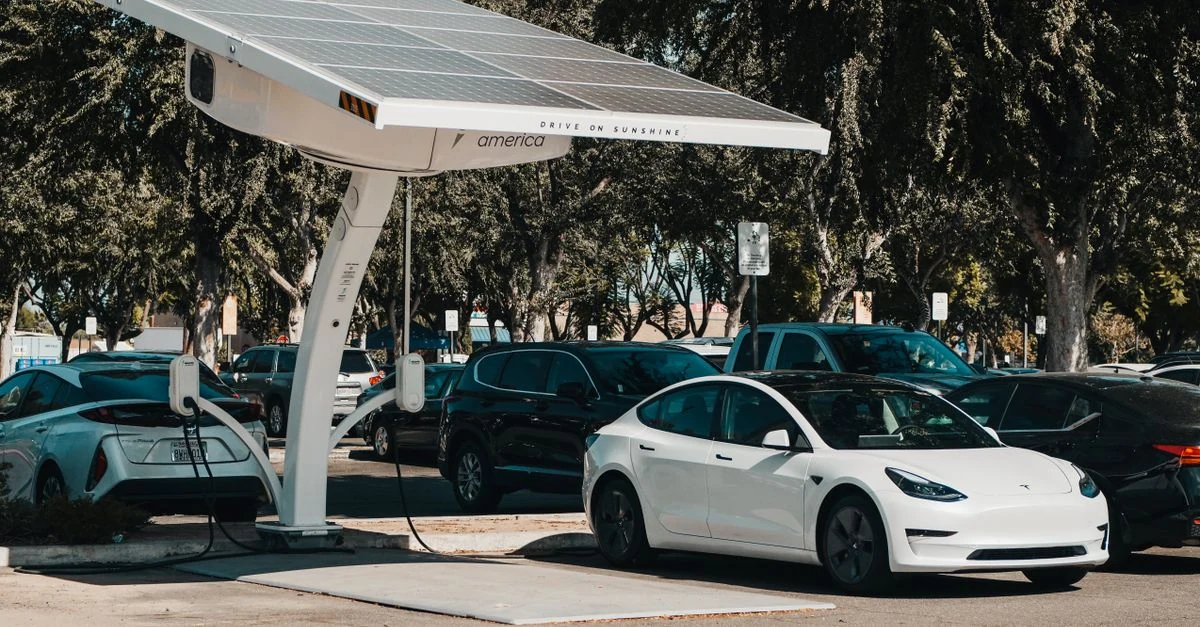
Network-Agnostic Management
Operate across supported Blink, ChargePoint, non-networked hardware, and Trident-managed stacks. Bring consistency to a portfolio that was built across multiple vendors.

OPERATIONS & MANAGEMENT
Monitoring, field service, pricing and reporting. One accountable operating relationship across supported equipment.
Request an AssessmentTHE OPERATOR
Trident is the dedicated operating partner for institutional Level 2 charging portfolios. We bring monitoring, maintenance, pricing, reporting, and lifecycle planning into one management relationship. Hardware and software support the operation. They are not the operating model.
Trident partners with Tesla and Autel and coordinates Level 2 charging operations across supported systems, including Blink, ChargePoint, legacy equipment, and non-networked chargers. One governance framework. Portfolio-level reporting. We are not another network. We manage the operation across networks.
From initial assessment through ongoing operations, upgrades, and replacement planning, Trident manages the lifecycle. Property teams gain a clear escalation path. Ownership gains visibility into performance. You manage one relationship—not a chain of disconnected vendors.
Operate across supported Blink, ChargePoint, non-networked hardware, and Trident-managed stacks. Bring consistency to a portfolio that was built across multiple vendors.
Understand revenue, energy costs, NOI impact, yield, payback, and variance. Move beyond usage dashboards to the economics of the asset.
Connect pricing, reliability, preventive maintenance, and replacement planning. Make operating decisions at the site level without losing portfolio-level visibility.
THE MODEL
Establish site and portfolio economics before deployment or takeover: utilization assumptions, pricing strategy, energy costs, margin targets, and payback thresholds. Start with a defensible operating baseline.
Define KPIs, service levels, escalation paths, and performance thresholds. Schedule semi-annual on-site preventive maintenance covering hardware checks, payment testing, electrical safety, and warranty eligibility. Make accountability structural.
Review pricing quarterly. Evaluate idle fees, reliability trends, energy costs, and maintenance priorities. Recommend upgrades or replacements when the operating economics justify them.
Deliver monthly portfolio dashboards and quarterly performance memos. Compare underwriting with actual results, flag underperformance, and document corrective actions. Keep ownership informed with transparent operating economics.
Illustrative KPI framework — actual targets are set during portfolio onboarding.
| KPI | Target | Reporting | Accountability |
|---|---|---|---|
| Network Uptime | ≥ 98.0% | Monthly | Trident-managed SLA |
| Mean Time to Repair (MTTR) | ≤ 72 hours | Monthly | Escalation protocol if exceeded |
| Failed Transaction Rate | < 2% | Monthly | Root-cause review per incident |
| Revenue per Port | Per underwriting model | Monthly | Variance flagged at ±10% |
| Pricing Review Cadence | Quarterly | Quarterly | Documented recommendation log |
| Underwriting vs. Actual Variance | ±10% threshold | Quarterly | Corrective action plan if breached |
| Preventive Maintenance Completion | 100% of scheduled | Semi-Annual | On-site verification report |
HOW WE DELIVER
The enterprise platform gives Trident the visibility and controls to manage the operation: station health monitoring, real-time analytics, energy management, and portfolio-wide operational controls. Our Level 2 charging relationships include Tesla and Autel. Supported equipment also includes compatible models from ABB, BTC Power, BorgWarner, Kempower, LiteOn, Nidec, Samsung, Siemens, SK Signet, Star Charge, Zerova, and more. OCPP 1.6 and 2.0.1 support applies to compatible equipment. Tesla model-specific management access and other equipment and connectivity requirements are assessed during onboarding.

Energy & Electrical Capacity
Charging performance starts with the building’s electrical capacity and operating economics. We assess site demand, review energy costs, and evaluate supported load-management controls to inform charging schedules, pricing, and expansion decisions.
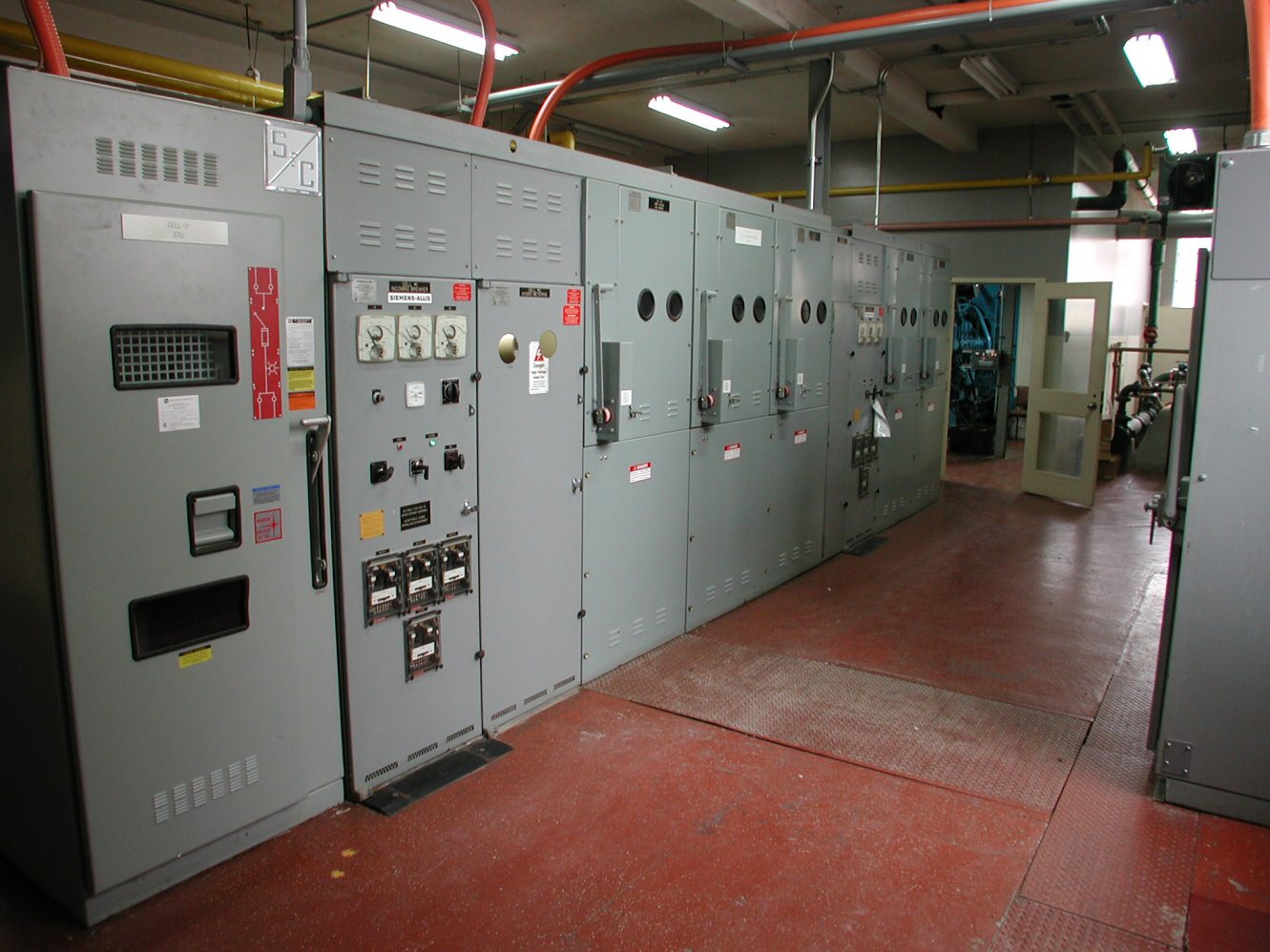

Level 2 chargers are building systems. Uptime 360 combines performance monitoring with comprehensive protection, bringing reliability, coverage, and service coordination into the operating plan.
Coverage includes mechanical failures, electrical issues, power surges, and handling damage, with parts, labor, and shipping included under the applicable program terms.
Eligible stations installed within the previous 18 months can be considered for retroactive enrollment. Existing infrastructure does not have to be replaced simply to establish a protection plan.
One team coordinates software questions, hardware failures, field service, and technical troubleshooting. Property teams have a clear point of contact rather than managing handoffs between vendors.
Connect warranty coverage and lifecycle planning to the investment. Assess protection for new deployments and eligible stations installed within the past 18 months.
Bring monitoring, service coordination, and escalation into one management relationship. Reduce the charger-management burden on property teams.
Use proactive monitoring, real-time alerts, and coordinated field service to address downtime and keep the operating plan focused on reliable, revenue-producing infrastructure.
Performance Monitoring + Comprehensive Protection = Uptime 360™
TAKEOVERS
The opportunity is not only in new installations. It is in the Level 2 infrastructure already installed across your portfolio—and the operating discipline it is missing.
Phase 1 · 0–30 Days
Triage uptime and critical repairs. Audit connectivity and commissioning. Establish ticketing and escalation. Identify immediate revenue and energy-cost leakage.
Phase 2 · 30–60 Days
Baseline KPIs and service levels. Build site-level operating models and portfolio dashboards. Define underperformance triggers, escalation rules, and ownership reporting.
Phase 3 · 60–120 Days
Roll out pricing recommendations and idle-fee strategies. Establish preventive maintenance cadence. Apply margin controls and cost discipline to the operating plan.
Phase 4 · Ongoing
Keep serviceable infrastructure under Trident governance. Recommend selective upgrades where warranted. Replace only when economics require it. Ownership makes the decision with a clear operating recommendation.
Trident takes over underperforming Level 2 portfolios across supported Blink, ChargePoint, and legacy installations. Stabilize performance, establish governance, and create a path toward improved asset economics—without forcing an immediate rip-and-replace.
When replacement is the better economic decision, Trident coordinates the supply and deployment of Level 2 charging solutions within the portfolio operating plan. Equipment is a decision within the management relationship, not a standalone sales pitch.
Owners don't need another dashboard. They need an operator accountable to outcomes.
COMPANY
For years, we’ve assessed homes, properties, and charging infrastructure to understand what makes a site work—and where it breaks down. That experience shaped Trident into an infrastructure company focused on the work after installation: management, maintenance, accountability, and long-term performance.
Founded by a former Navy SEAL, Trident brings disciplined leadership and documented processes to the operation. We’ve built relationships with Tesla and Autel and bring that real-world perspective to institutional Level 2 charging portfolios. Our approach is grounded in property analysis, coordinated service, and clear reporting—not startup promises.
We didn't build a startup. We built an infrastructure company.
Level 2 charging is our foundation. Years of real-world assessment inform how we manage it today.
New charging or an existing portfolio. We'll assess the operating needs and the commercial fit.